Sidcup High Street rubbish pickup guide for DA14 homes
If you live in DA14, rubbish pickup can be one of those jobs that sounds simple until you're stood by the front door with bags, broken furniture, or a pile of garden waste and no clear plan. This Sidcup High Street rubbish pickup guide for DA14 homes is here to make the whole thing feel far more manageable. You'll learn what the pickup process usually looks like, how to choose the right approach for your property, what to avoid, and when a professional clearance service is the smarter call. Let's face it, nobody wants rubbish hanging around longer than it has to.
Whether you're clearing a flat near Sidcup High Street, sorting a family house in DA14, or dealing with a one-off bulky item that won't fit the car, the goal is the same: get it removed quickly, safely, and without creating extra hassle. And yes, there is a right way to do it.
Table of Contents
- Why Sidcup High Street rubbish pickup guide for DA14 homes Matters
- How Sidcup High Street rubbish pickup guide for DA14 homes Works
- Key Benefits and Practical Advantages
- Who This Is For and When It Makes Sense
- Step-by-Step Guidance
- Expert Tips for Better Results
- Common Mistakes to Avoid
- Tools, Resources and Recommendations
- Law, Compliance, Standards, or Best Practice
- Options, Methods, or Comparison Table
- Case Study or Real-World Example
- Practical Checklist
- Conclusion
- Frequently Asked Questions
Why Sidcup High Street rubbish pickup guide for DA14 homes Matters
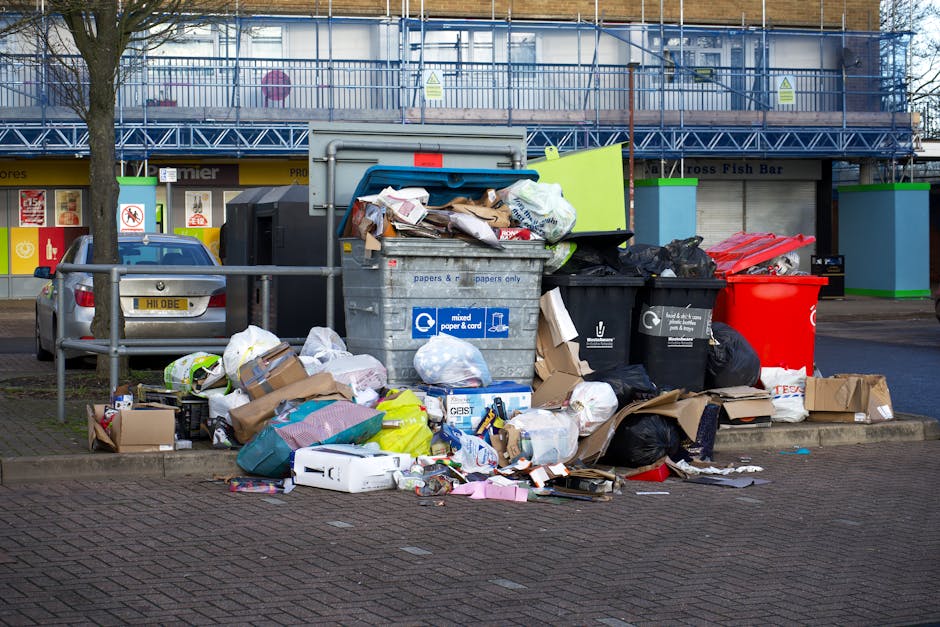
Rubbish removal in a place like Sidcup is rarely just about "taking the bins out." High Street properties and nearby DA14 homes often deal with tighter access, shared entrances, busy pavements, limited parking, and the usual rhythm of everyday life. A missed collection or a pile of waste left too long can become a nuisance very quickly. It affects how your home looks, how it smells, and how easy it is to move around safely.
For households close to Sidcup High Street, the practical challenge is often timing. You may need to work around school runs, delivery vans, neighbours' access, or a narrow window when someone can be home. If you're clearing waste after decorating, moving out, or replacing furniture, the issue becomes even more urgent. You don't want the front room full of old plasterboard and packaging for days. It just gets in the way.
There is also the matter of sorting waste properly. Mixed rubbish is one thing; electrical items, fridges, and anything potentially hazardous are another. If you get the wrong type of waste in the wrong place, removal becomes slower, more expensive, and sometimes non-compliant. That's where a clear guide helps. It turns a vague, stressful task into a sequence of sensible decisions.
Expert summary: In DA14, the best rubbish pickup approach is usually the one that matches your access, your waste type, and your timeframe. A good plan saves space, reduces lifting, and keeps you on the right side of disposal best practice.
How Sidcup High Street rubbish pickup guide for DA14 homes Works
At a simple level, rubbish pickup means collecting unwanted items from your home and moving them into a vehicle for disposal, recycling, or onward processing. The detail matters, though. The process changes depending on whether you're dealing with domestic rubbish, bulky furniture, garden waste, builders' debris, or specialist items like appliances.
For many DA14 homes, the sequence looks like this:
- You identify what needs removing and separate it into rough categories.
- You check access: front garden, alleyway, shared hallway, stairs, lift, or kerbside.
- You decide whether the waste can be lifted, bagged, dismantled, or needs special handling.
- You choose a pickup method based on volume, urgency, and waste type.
- The waste is collected, loaded, and taken away for disposal or recycling.
That sounds straightforward. In practice, the difference between a smooth pickup and a frustrating one is preparation. A neatly stacked pile by the front path is far easier than a scattered jumble of mixed items in a back room. One small note from real-world jobs: the ten-minute prep often saves half an hour later. Every time.
Some households prefer a direct removal visit because it avoids waiting for council collection slots or juggling a skip on a street with limited room. Others only need a one-off bulky item moved. If you're replacing a sofa, for example, the old one can be taken away once the new delivery is confirmed. That keeps the home usable and prevents the awkward "where do we put this now?" moment that always seems to happen.
If your waste includes furniture, mattresses, or appliances, specialised handling may be more suitable. For those situations, useful related services include mattress and sofa disposal, fridge and appliance removal, and general waste removal.
Key Benefits and Practical Advantages
Choosing a sensible rubbish pickup approach for a DA14 property brings a few clear advantages. Some are obvious, others only become obvious once you've had to move a heavy wardrobe down the stairs yourself. Not fun.
- Faster clearance: Waste leaves your property in one go, rather than lingering in stages.
- Better access: Hallways, gardens, and driveways stay usable.
- Less lifting and strain: You avoid unnecessary trips, awkward carrying, and the occasional bruised shin.
- Cleaner presentation: Useful if you're preparing for a sale, rental handover, or guest arrival.
- More suitable disposal: Different waste streams can be sorted more responsibly.
- Reduced stress: You don't have to keep revisiting the same pile of rubbish and thinking, "I'll sort that later."
There's also a subtle but important benefit: decision clarity. Once you know what kind of pickup you need, you stop overthinking it. For a lot of homeowners, that is the real win. You can move on with the rest of the day. Make tea. Deal with the next thing. Life feels less cluttered, literally and mentally.
If you're comparing approaches, it can help to look at services that fit specific waste types. For example, a house clear-out may suit house clearance, while a loft, garage, or garden job may be better handled through loft clearance, garage clearance, or garden clearance.
Who This Is For and When It Makes Sense
This guide is useful if you live in or around Sidcup High Street and need rubbish removed from a DA14 home without turning the job into a weekend-long saga. It especially makes sense for:
- homeowners clearing out spare rooms, lofts, or garages
- tenants needing a fast end-of-tenancy tidy-up
- landlords preparing a property between occupancies
- families replacing bulky furniture or appliances
- people doing DIY, decorating, or light renovation work
- anyone who has mixed waste and doesn't want to sort it all into multiple trips
It also makes sense when time is tight. Maybe you've got a skip-sized pile but nowhere practical to put a skip. Maybe the street is too busy. Maybe you simply don't have the energy to load bags into a car six times. Fair enough. A lot of people reach the same point after one look at the pile and a very deep sigh.
For lighter domestic jobs, a home-focused service may be enough. For larger or mixed clearances, a broader option like home clearance or house clearance may be better. If the problem is all in one room or area, keep it targeted. If the rubbish has spread across the property like it owns the place, go broader.
Step-by-Step Guidance
Here's a practical way to handle rubbish pickup in DA14 without forgetting anything important.
- Walk through the property first. Identify every item that needs to go. Don't just look at the obvious pile in the hallway. Check behind doors, under stairs, in cupboards, and in the shed if needed.
- Separate waste by type. Put general rubbish, recyclable materials, furniture, electricals, and hazardous items into rough groups. You do not need museum-level precision here, just enough order to avoid mistakes.
- Check access. Measure doorways if a sofa or wardrobe needs to leave the house. Note steps, tight corners, parking restrictions, and whether there's room to stage items near the entrance.
- Make a short list of awkward items. Mattresses, fridges, paint tins, broken glass, and builders' waste often need more thought than bagged rubbish.
- Book the right pickup method. Choose a service suited to the volume and waste type. A small job is not the same as a full property clear-out.
- Prepare the waste in advance. Bag loose rubbish, empty drawers, remove personal items, and keep paths clear. If you can do this the evening before, even better.
- Be ready for collection. Keep keys handy, unlock gates, and ensure someone can answer access questions if needed.
- Confirm the finish. Once the waste is gone, check for loose screws, shards, or hidden debris. A quick sweep makes the whole job feel finished properly.
A small but useful extra: if you're clearing furniture, consider whether disposal or reuse is the better route. In some cases, removal and recycling is the practical option; in others, a specific furniture disposal solution is the cleanest way forward.
Expert Tips for Better Results
After enough pickups, a few patterns become obvious. The jobs that go smoothly usually share the same habits.
- Break large items down first. A dismantled wardrobe or bed frame is easier to handle than a fully assembled one.
- Keep wet waste separate. Garden cuttings, damp cardboard, and soggy household waste get heavy fast.
- Don't mix specialist waste with general rubbish. One fridge, one paint tin, or a handful of batteries can change the way the load needs to be handled.
- Leave the heaviest items closest to the exit. Your back will thank you later.
- Take one final photo of the pile before collection. Not glamorous, but useful if you need to confirm what was included.
- Ask about recycling outcomes where relevant. Responsible disposal should be part of the conversation, not an afterthought.
Here's a little real-world truth: the people who save the most hassle are rarely the ones with the biggest van. They're the ones who sort, label, and think ahead by ten minutes. That's it. Nothing fancy. Just a bit of order.
For mixed clearances, a provider that handles multiple waste streams can be helpful. You may also want to look at builders waste clearance for renovation debris, or garage clearance if the project has slowly turned into a storage rescue mission. Happens all the time.
Common Mistakes to Avoid
The biggest mistakes with rubbish pickup are rarely dramatic. They're usually small, practical oversights that snowball into extra cost or extra work.
- Leaving sorting until collection day. You end up rushing and making bad calls.
- Underestimating volume. A few "small bits" can turn into a lot of waste once gathered together.
- Forgetting specialist items. Fridges, freezers, and some electricals often need separate handling.
- Blocking access routes. If collection teams cannot reach the waste easily, everything slows down.
- Storing waste outside for too long. It can attract pests, smell, or simply become an eyesore.
- Ignoring safety. Glass, nails, and heavy items deserve proper care. No shortcuts.
Another common one: putting everything in one pile and assuming it will sort itself out later. It won't. Waste rarely becomes more manageable by being ignored. It just becomes more annoying. You know the feeling.
If you're unsure whether something belongs in a skip or a pickup, it may help to review what can go in a skip as a practical reference point. It won't answer every question, but it does help narrow the possibilities.
Tools, Resources and Recommendations
You do not need a van full of equipment to organise rubbish pickup well. A few simple tools make a real difference.
- Heavy-duty bin bags: Good for mixed household waste, soft items, and smaller debris.
- Gloves: Essential if you're moving sharp, dusty, or grimy items.
- Marker pen or labels: Handy for separating "keep," "recycle," and "remove."
- Measuring tape: Useful when checking bulky furniture against doorways and stair turns.
- Trolley or sack truck: Helpful for heavier loads, if you already have one.
- Dustpan and brush: A small finish, but a worthwhile one.
On the planning side, there are a few website pages that can help you think through the job more clearly. If you're comparing costs and service styles, pricing and quotes is a sensible place to start. If you want to understand the company's standards around responsible handling, recycling and sustainability can help.
For property-specific jobs, the right service page matters. A flat clearance is not quite the same as a whole-house job, and a garage full of old tools is a different story again. If that sounds familiar, flat clearance, furniture clearance, and office clearance can be relevant depending on what you need removed.
Law, Compliance, Standards, or Best Practice
For rubbish pickup in the UK, the important principle is straightforward: waste should be handled responsibly, by a service that understands sorting, safe loading, and lawful disposal expectations. You do not need to become an expert in waste law to make a sensible decision, but you should be cautious with anything hazardous, electrical, or potentially controlled.
Best practice usually includes:
- keeping hazardous items separate from general waste
- using appropriate handling for appliances and electricals
- making sure waste does not create a danger on pavements, drives, or shared areas
- checking that the provider is insured and works to recognised safety procedures
- avoiding fly-tipping at all costs, even unintentionally
That last one matters. If rubbish is passed to the wrong person, or left somewhere it should not be, the homeowner can end up with a headache that is much bigger than the original mess. The safest approach is to use a reputable service and keep a basic record of what was removed. Nothing dramatic, just sensible.
If your pickup involves items that need special care, such as chemicals, sharp metal, or damaged appliances, it is better to use a dedicated route like hazardous waste disposal or fridge and appliance removal rather than bundling everything together.
For peace of mind, it can also help to review business policies around insurance and safety and health and safety policy. Those pages don't remove your rubbish, obviously, but they do tell you something about how carefully the work is handled.
Options, Methods, or Comparison Table
There are usually several ways to deal with rubbish pickup in DA14. The best one depends on volume, urgency, and what kind of waste you have.
| Method | Best for | Strengths | Limitations |
|---|---|---|---|
| Kerbside collection | Small bagged waste or scheduled collections | Simple, familiar, low effort | Limited volume, timing can be rigid |
| Skip hire | Ongoing DIY or renovation waste | Handy for repeated disposal over several days | Needs space, permits may be needed in some cases, can be awkward on busy streets |
| Man-and-van style pickup | Bulky items or mixed loads | Fast, flexible, often easier for access challenges | Less suitable if you want to dispose of waste gradually |
| Full clearance service | House, flat, loft, garage, or office clear-outs | Good for larger jobs and mixed waste | May be more than you need for one small item |
For many Sidcup High Street homes, a pickup service beats a skip simply because the street layout is not always forgiving. Not every property has the spare space. Not every frontage wants a giant metal box sitting there for a week. Sometimes the cleaner, quicker answer is also the more practical one.
If you are weighing up waste handling for a bigger job, the broader waste removal route is often worth considering. It keeps things flexible. Less faff, more done.
Case Study or Real-World Example
Here's a realistic example. A couple in a DA14 terraced home near Sidcup High Street had been clearing the upstairs spare room ahead of a family visit. What started as "just a few old things" became a stack of broken shelving, a mattress, two chairs, a box of mixed household clutter, and a small pile of worn-out garden bits from the shed. Nothing outrageous. Just enough to be annoying.
The main challenge was access. The hallway was narrow, the stairs turned sharply, and there was not much room outside. Rather than dragging everything out in separate car loads, they sorted the items into a few groups: soft furnishings, general mixed waste, and the mattress. The hallway was cleared first. Then the route to the front door was opened up. The rest followed quickly.
What made the difference was not speed. It was sequence. By removing the items in the right order, they avoided blocked pathways and reduced the chance of damage to walls and skirting boards. They also saved themselves a second round of handling, which is where a lot of household clear-outs get tiring.
By lunchtime the room was usable again. Not perfect, not showroom neat, but calm. Fresh air on the landing. Light coming through the window. That sort of thing matters more than people expect.
Practical Checklist
Use this quick checklist before your rubbish pickup:
- Have I listed everything that needs removing?
- Have I separated general waste, furniture, electricals, and hazardous items?
- Is the access route clear from the item to the pickup point?
- Have I measured any bulky items that may need dismantling?
- Are there any sharp, wet, or heavy items that need extra care?
- Have I set aside important papers, valuables, and anything I want to keep?
- Do I know whether I need a general pickup, a clearance, or a specialist service?
- Is someone available if access questions come up on the day?
- Have I checked for loose screws, glass, or bits left behind once the load goes?
Quick takeaway: If you prepare the waste properly, the pickup becomes simpler, safer, and usually quicker. That's the whole game, really.
For bookings and arranging the next step, you can use book online if you want a straightforward route, or review contact us for direct help with your specific situation. If you are new to the company, about us is worth a look too.
Conclusion
A good Sidcup High Street rubbish pickup guide for DA14 homes should leave you feeling more organised, not more confused. The main idea is simple: match the waste, access, and urgency to the right removal method, then prepare the property so the pickup can happen without drama. That alone avoids most of the common headaches.
Whether you are clearing one bulky item, sorting a cluttered room, or handling a bigger household job, the smartest move is usually the calm one. Separate the waste. Check the access. Choose the right service. Do those things and the rest tends to fall into place. Not always perfectly, but well enough to feel like progress.
Get a free quote today and see how much you can save.
And once the rubbish is gone, there's a satisfying kind of quiet left behind. A bit more space, a bit more breathing room, and a home that feels lighter again. Lovely, really.
Frequently Asked Questions
What is the easiest way to arrange rubbish pickup for a DA14 home?
The easiest route is usually to sort the waste first, decide whether it is general rubbish, bulky items, or specialist waste, and then choose a pickup method that matches the amount and access. If the job is small, a straightforward removal visit may be enough. If it is larger, a clearance service is often more practical.
Can rubbish be picked up from inside the house?
Yes, in many cases rubbish can be removed from inside the property, including hallways, lofts, garages, and other rooms, provided the access is workable and the items are safe to move. It helps a lot if the route is clear and the waste is grouped beforehand.
What happens if I have a mix of furniture, bags, and appliances?
Mixed loads are common. The key is to separate the awkward items such as appliances, mattresses, or anything potentially hazardous. That way the collection can be planned properly and the waste can be handled in the right way.
Is rubbish pickup better than hiring a skip in Sidcup High Street?
It depends on the job. A skip can suit ongoing DIY work, but on a busy street or at a property with limited space, a pickup is often easier and less disruptive. If you want all the waste removed in one go, pickup is usually more convenient.
How should I prepare my waste before collection?
Bag loose rubbish, separate specialist items, dismantle large furniture if possible, and keep access paths clear. Remove anything personal or valuable first. A small amount of prep makes the pickup much smoother.
What items need special handling?
Fridges, freezers, some electrical items, paint, chemicals, sharp materials, and certain renovation debris may need special handling. If in doubt, treat them separately instead of mixing them into general rubbish.
How do I know if my rubbish is too much for a small pickup?
If the waste fills multiple rooms, includes several bulky items, or would take more than a few car loads, a small pickup may not be the best fit. In that case, a broader clearance or waste removal service is usually better.
Can I leave rubbish outside my property before collection?
Only if it is safe, permitted, and properly arranged. Leaving waste outside for too long can create nuisance, attract pests, or cause access problems. It is usually better to have everything ready close to the collection time.
What is the safest way to move heavy items?
Use proper lifting technique, get help for awkward items, and break things down where possible. If something is too large or too heavy to move safely, it is better not to force it. That is where professional help is worth it.
Do I need to sort recyclable waste separately?
It is a very good idea to separate recyclables where possible. It can make disposal cleaner and more responsible, and it helps avoid mixing things that really should not go together. Recycling and sustainability matter, even on small jobs.
What if I only need one bulky item taken away?
That is completely normal. Many people only need a sofa, mattress, fridge, or wardrobe removed. A targeted removal is often the simplest option, and it avoids turning a small problem into a big one.
Where can I find more information about safety and payment?
You can review the company's health and safety policy, payment and security information, and terms and conditions for more detail on how things are handled.